

Residential School Project PR Support

Stó:lō Nation Chiefs’ Council

spanning local, regional, national and international outreach and platforms.

written about this event demonstrated strong engagement.

distributed stories from this event, demonstrating strong interest in the initiative.

attended the event, highlighting the effectiveness of personalized outreach.

The Project

Media Relations | Event Support | Strategic Communications

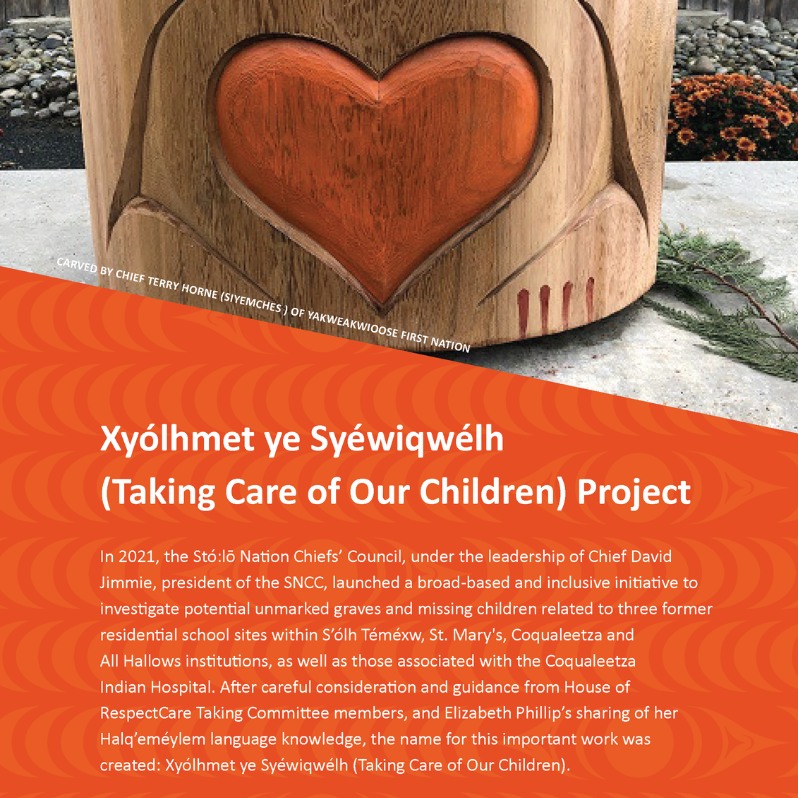
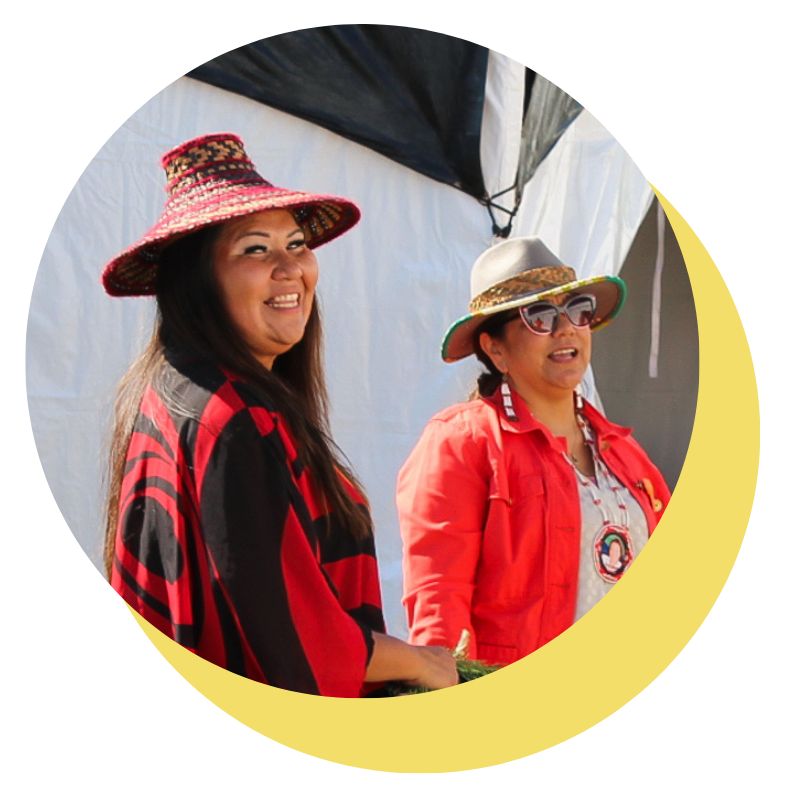
The Stó:lō Nation Chiefs’ Council (SNCC), led by Chief David Jimmie, initiated a comprehensive project in response to the knowledge of unmarked graves in former residential school cemeteries. Phase 1 of this endeavour, named the Xyólhmet ye Syéwiqwélh (Taking Care of Our Children) project, aimed to investigate potential unmarked graves and missing children connected to three former residential school sites within S’ólh Téméxw, specifically St. Mary’s, Coqualeetza and All Hallows institutions in British Columbia’s Fraser Valley, as well as the Coqualeetza Indian Hospital.

The Xyólhmet ye Syéwiqwélh (Taking Care of Our Children) project team takes direction from the SNCC and advisory groups, including a number of additional First Nations and cultural advisors. It is operationalized through the Stó:lō Service Agency Board of Directors and Stó:lō Research and Resource Management Centre. Stó:lō Nation’s main centre of operations is in Chilliwack, B.C. The announcement of knowledge gathered over the last 18 months is just the first of multiple phases as this project is slated to take several years.

Media Relations Materials

A user-friendly media kit was developed, including project details, imagery and biographical information on Chief David Jimmie.

A targeted media list was created, comprising 72 outlets and additional contacts, ensuring effective outreach for the gathering.

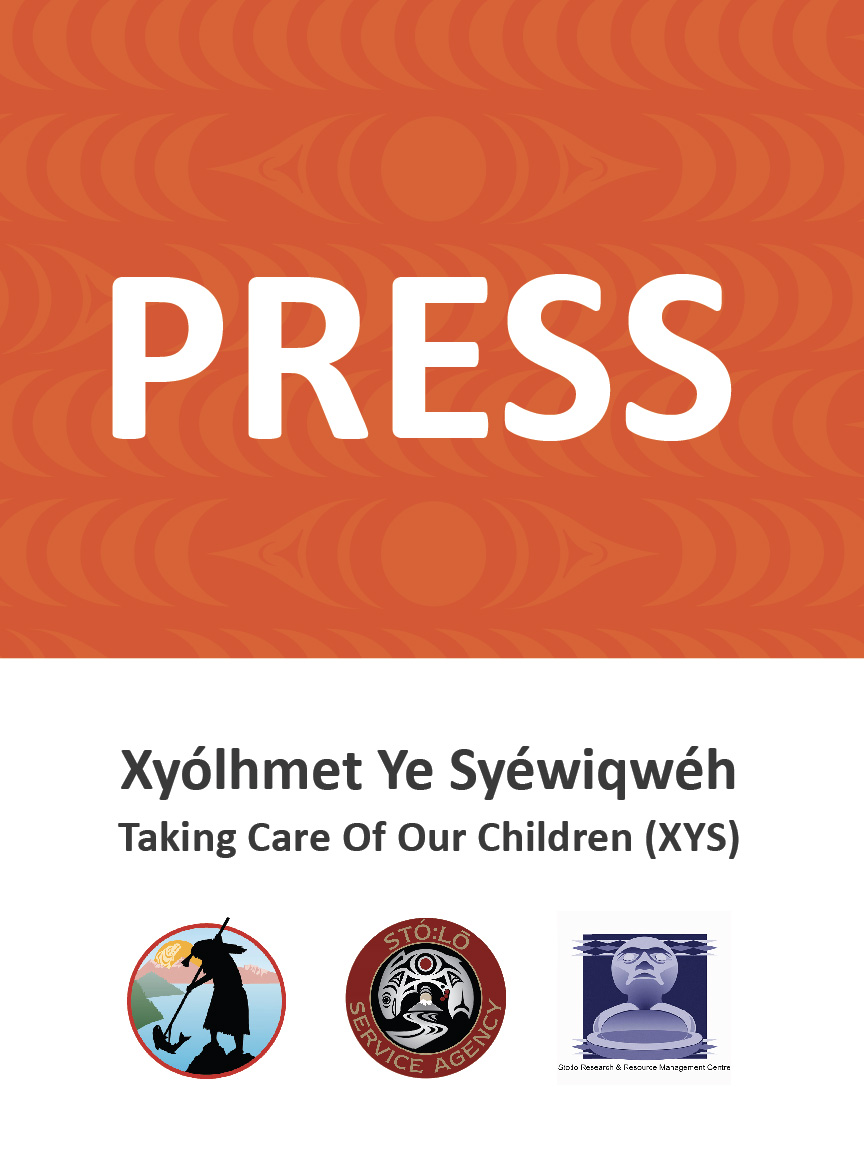
Press badges were designed for media personnel to facilitate identification and registration at the event.

A Media Process Guide outlined strategies for establishing relationships with the media, detailing interaction protocols and policies for future engagements.

An advisory was distributed to 21 media outlets to encourage attendance, resulting in registration of eight media outlets and 15 personnel.

Post-event, a media release highlighting the project’s significance and quotes from key figures was disseminated, along with a backgrounder.

50th Parallel PR monitored media coverage post-gathering, identifying 59 stories across various platforms. Responses from organizations and correction requests were managed to ensure accurate representation.

Strategic Communications

A communications strategy was developed with 50th Parallel PR to guide the dissemination of findings related to student deaths at the identified institutions. This strategy defined objectives, roles and target audiences. It was informed by updates from prior investigations.

A comprehensive work plan was created detailing deliverables, due dates and responsibilities, and was updated regularly based on ongoing communications.

Weekly meetings between the project team and 50th Parallel PR provided updates and discussed media relations. Key meetings occurred on August 31 and September 7, 13 and 15, 2023.

A key messaging document was crafted to ensure consistent external communications, adaptable for various audiences. This framework guided the drafting of the media release and other communications during the gathering.

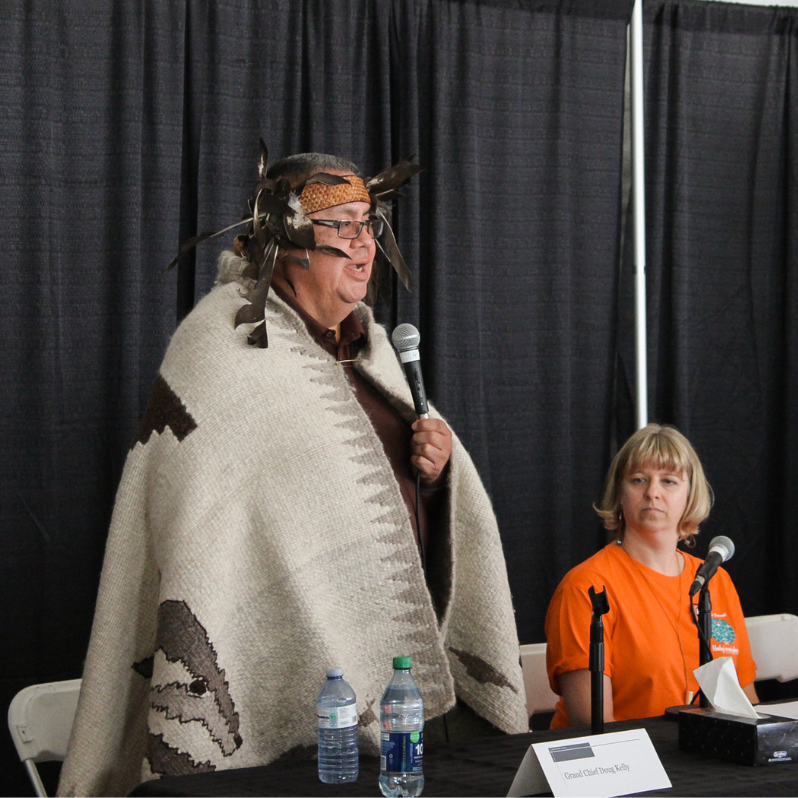
On September 21, 2023, the project team provided updates to Survivors and the public. 50th Parallel PR assisted in preparation, media management and technical support for the livestream and media scrum.

Recommendations

To sustain positive media momentum, it’s crucial to engage reporters for future events, establish interview time blocks and provide media training for spokespeople. Ongoing communication with Survivors and the public is essential, using impactful materials and digital resources.

Future Considerations

  • Maintain a web page with video and resource transcripts.
  • Ensure accessibility by coordinating with ASL interpreters ahead of events.
  • Develop guidelines for displaying the project’s traditional name, accommodating font limitations in various publications.