


Crisis
Communications
Nuu-chah-nulth Tribal Council
The Project
Media Relations | Event PR | Communications Strategies
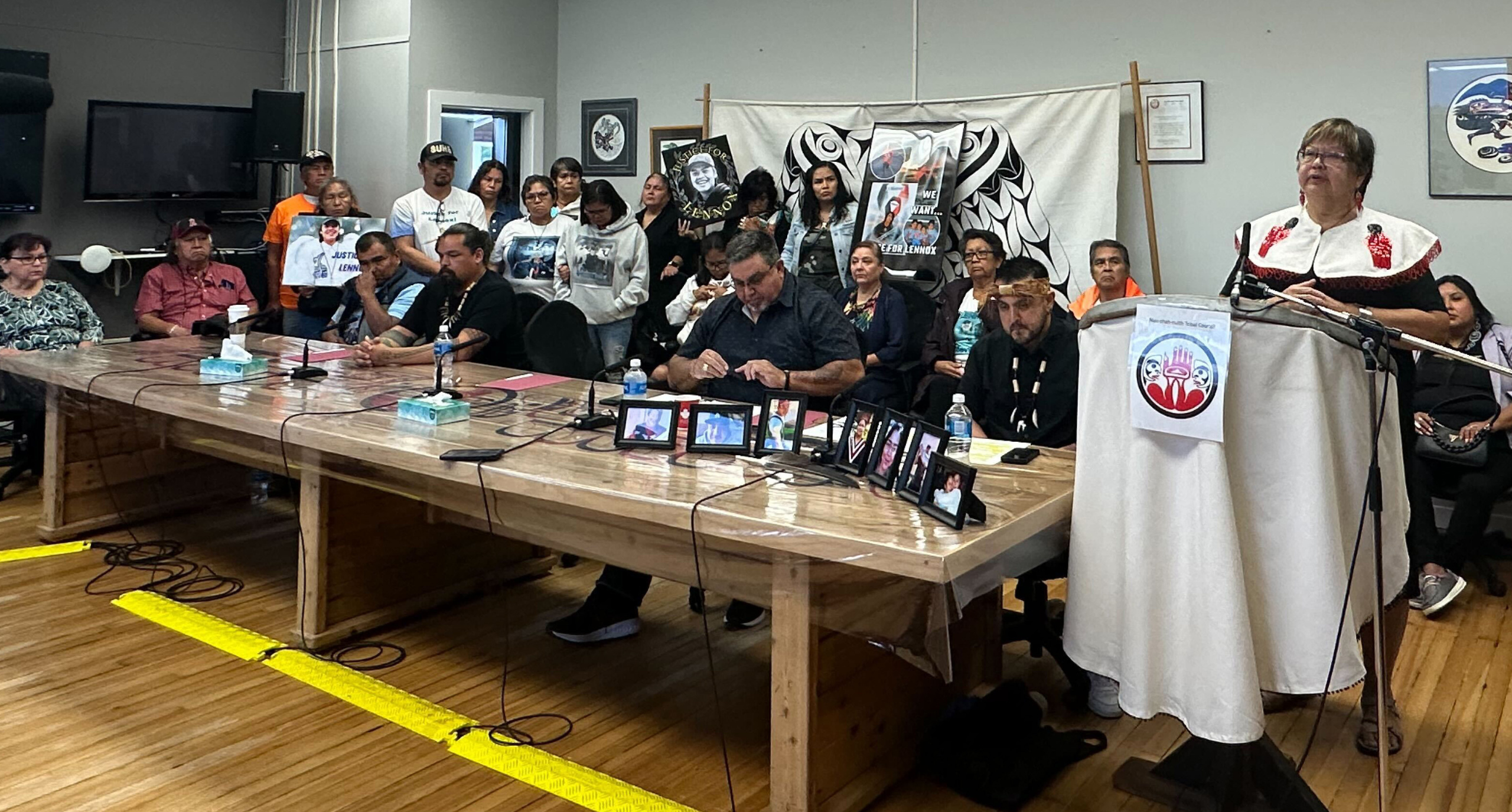
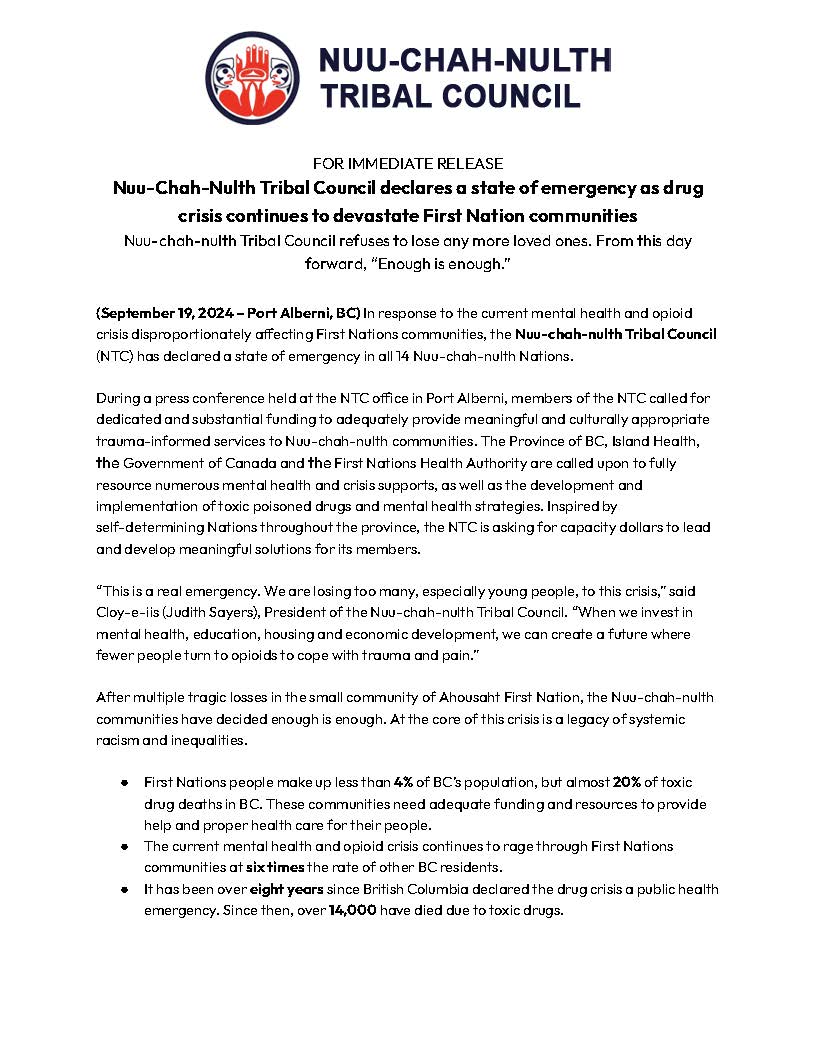
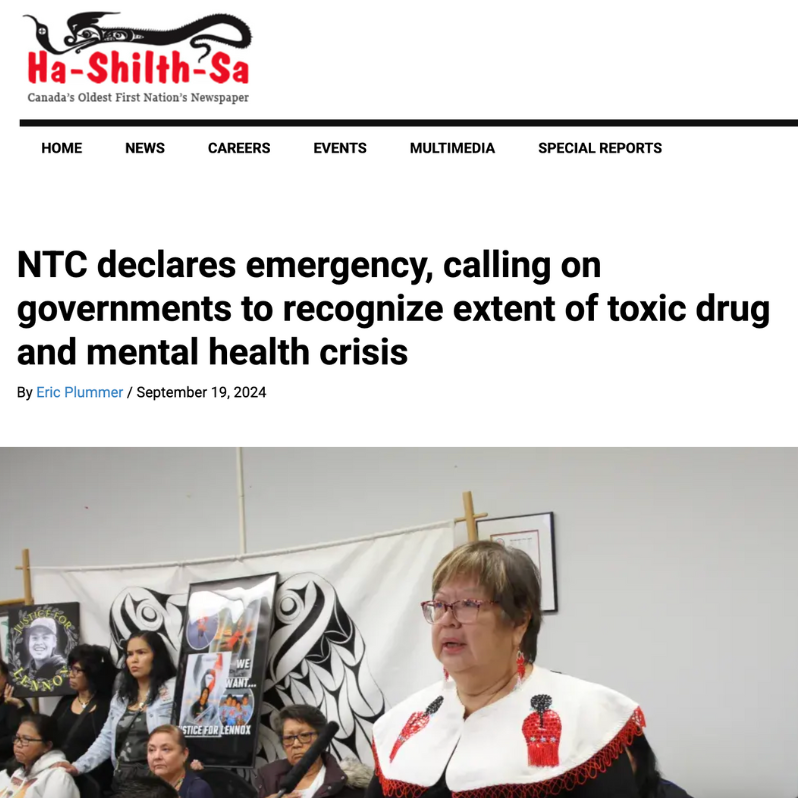
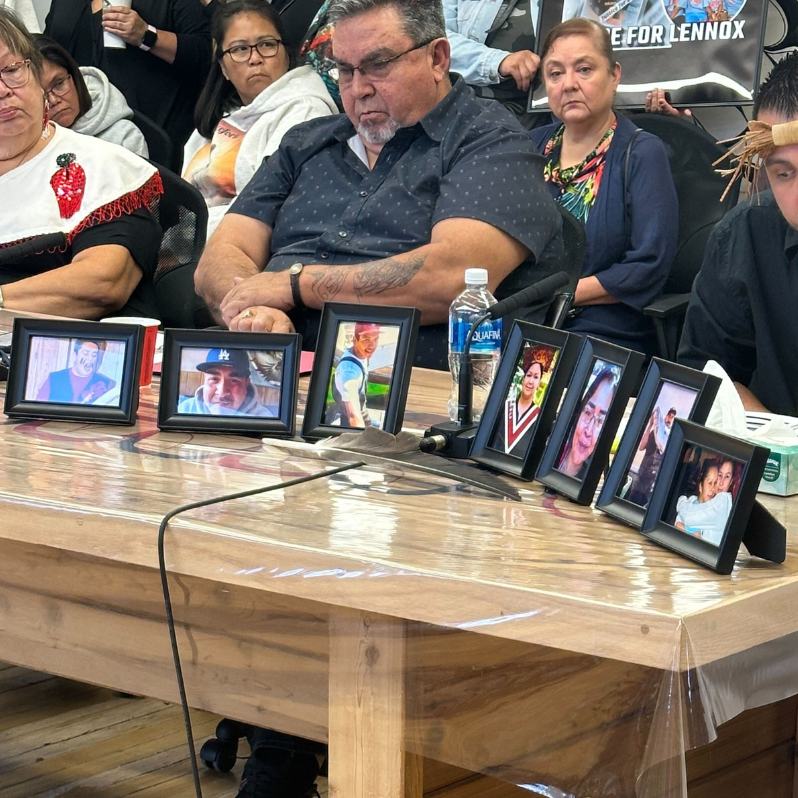
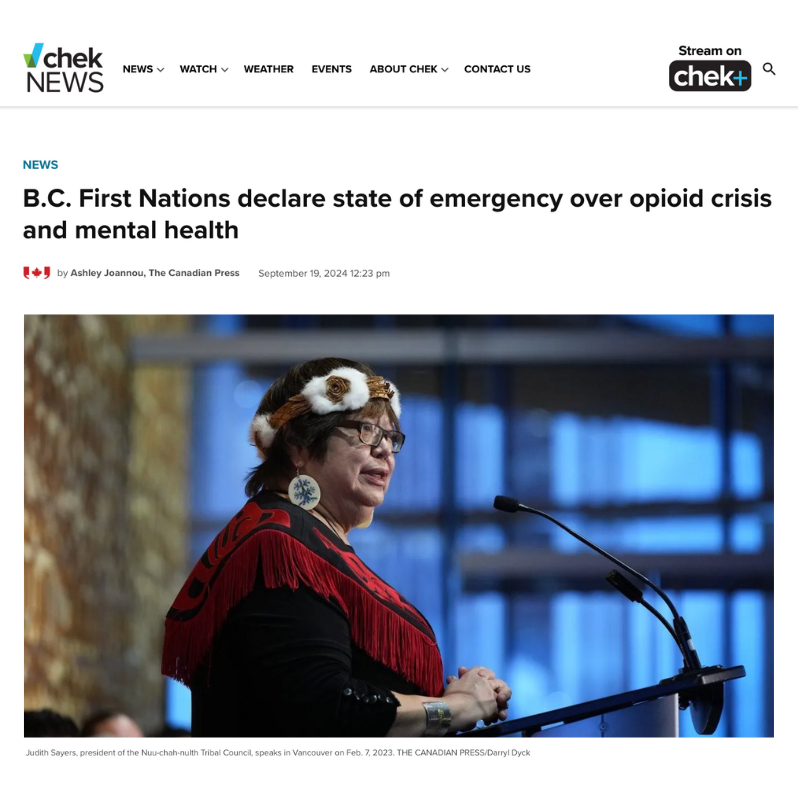
During the initial media monitoring phase, we were able to successfully identify coverage from over 50 news outlets, spanning local, provincial and national organizations. This broad media reach was a significant achievement, demonstrating the widespread interest and importance of the issues raised during the media conference. The extensive coverage also helped amplify the voices of the affected communities, bringing attention to the critical challenges they face, particularly in light of the toxic drug crisis and its devastating impact on Indigenous communities.
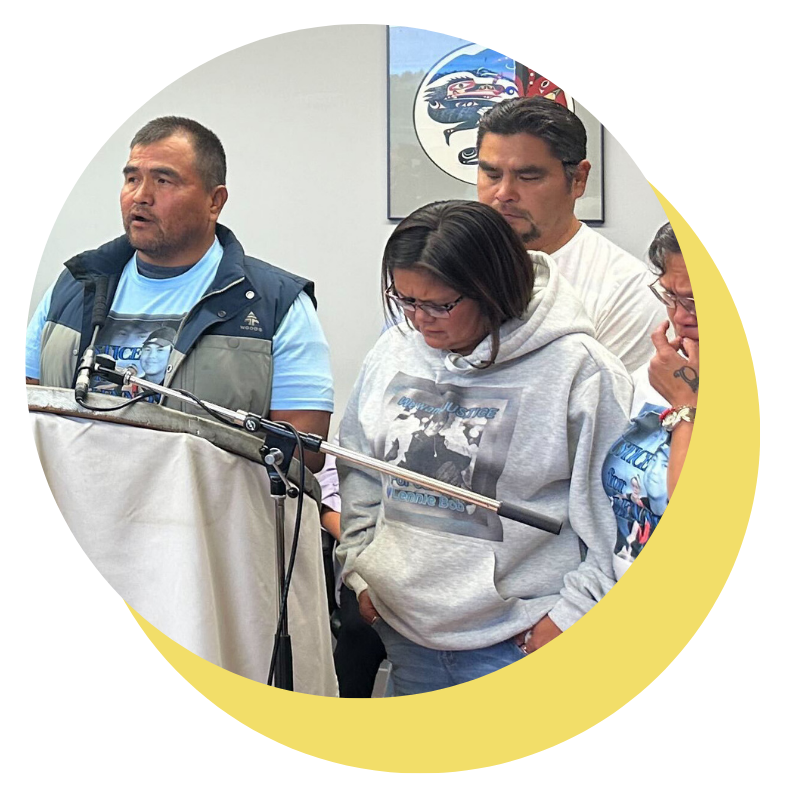
One of the primary goals of the media outreach was to engage government actors in a meaningful way and encourage them to respond to the ongoing crises. This was achieved when we were able to secure a public response from Honourable Murray Rankin, BC’s Minister of Indigenous Relations and Reconciliation. His statement, which was delivered during the media conference, was a powerful moment of public acknowledgment and support. He shared his deep sorrow regarding the deaths within the Ahousaht First Nation community and the broader implications of the toxic drug crisis. Minister Rankin’s response underscored the urgency of the issue, stating:
“I am saddened to hear of the deaths in the Ahousaht First Nation community, and the impacts of the toxic drug crisis that have led to Nuu-chah-nulth Tribal Council’s recent state of emergency for its 14 Nations. Our thoughts are with the family, friends and all those that are being impacted by these tragedies. I have spoken to Chief Naasathluk at length on what is happening in his community and pledged to help his community in any way possible.”
This response was crucial in demonstrating the government’s awareness of and commitment to addressing the crisis, especially in communities hardest hit by the ongoing drug epidemic. It also highlighted the collaborative efforts between Indigenous leadership and government representatives to seek solutions to the pressing issues of health, safety and community well-being.
Key Actions
Reflections
As we continue this work, we are reminded of the need to approach these efforts with openness, listening, humility and teachability. It is critical to maintain an open mind and heart to the voices and needs of marginalized communities, ensuring their experiences are not only heard but respected. Our approach must be one of deep listening, as this is the foundation for building trust and fostering long-term relationships.
This is precedent-setting work, and it can only be successfully carried out if we walk alongside these communities with genuine commitment, free of judgment and bias. We must acknowledge the complexities of the issues at
hand and work collaboratively with communities, governments and other stakeholders to seek sustainable solutions. The work we are doing is not just about managing crises; it is about creating spaces for healing, empowerment and positive change for the future.
The road ahead may be challenging, but it is also one filled with opportunities for growth, understanding and impact. By staying true to the values of respect, collaboration and accountability, we can continue to push for meaningful change and progress in the fight against the toxic drug crisis and its devastating effects on Indigenous communities.